 Written by
 Janet Jackson: A Life of Music, Motherhood, and Millions
Janet Jackson is more than just a last name from pop royalty—she’s a cultural force, a music legend, a mother, and a businesswoman whose journey has captivated the world for over four decades. From chart-topping hits to private battles, here’s a deep look into the life, legacy, and wealth of the youngest member of the Jackson family.
🎤 From Jackson 5’s Little Sister to Global Icon

Born on May 16, 1966, in Gary, Indiana, Janet Damita Jo Jackson was the youngest of 10 children in the famed Jackson family. Her childhood was shaped by music and fame, thanks to her brothers’ success in The Jackson 5. But Janet was never content to stay in the shadow of Michael Jackson—she forged her own path.
Her breakout came in 1986 with the album “Control”, a bold declaration of independence and empowerment. It was followed by landmark records like “Rhythm Nation 1814”, “Janet”, and “The Velvet Rope”, solidifying her as one of the best-selling music artists in history.
Janet’s style fused pop, R&B, funk, and socially conscious lyrics, earning her 5 Grammy Awards, 11 Billboard Music Awards, and an induction into the Rock and Roll Hall of Fame in 2019.
💔 Love and Life: Her Marriage to Wissam Al Mana
In 2012, Janet secretly married Wissam Al Mana, a Qatari billionaire businessman and retail tycoon. The union was a surprise to the public and marked Janet’s third marriage. Her previous relationships had often been shrouded in secrecy or ended publicly. Wissam and Janet’s relationship was intensely private—until it wasn’t.
In January 2017, at the age of 50, Janet gave birth to their son, Eissa Al Mana. Just three months later, the couple separated.
Though neither has spoken publicly in detail about the reasons for their split, reports suggested major cultural differences and conflicts over Janet’s career and lifestyle. Their divorce proceedings became a quiet legal battle, especially regarding custody and finances.
👶 Eissa Al Mana: A Private Life in the Spotlight
Janet has fiercely protected her son’s privacy, only occasionally sharing brief mentions of Eissa, now 7 years old. She describes him as musical, much like the rest of the Jackson clan, and has said he plays the violin and loves classical music.
Despite being the son of two high-profile individuals, Eissa is largely kept out of the public eye—something Janet did not have the luxury of growing up.
💰 What Is Janet Jackson’s Net Worth?
Janet Jackson’s net worth is estimated at $180–$200 million, though exact figures vary depending on sources. Her wealth stems from:
-
Album sales (Over 100 million worldwide)
-
Concert tours (Some grossing over $100 million each)
-
Endorsements and brand deals
-
Acting roles in films and TV
-
Royalties and licensing (She owns her masters)
She reportedly did not receive a financial settlement from Wissam Al Mana, despite rumors that their prenup entitled her to a large sum after five years of marriage. However, she’s hardly reliant on it.
In addition to her music career, she owns real estate in New York and Los Angeles, and her back catalog remains lucrative in the streaming era.
📺 Legacy and Influence
The gallery was not found!Janet Jackson paved the way for female pop and R&B artists to express themselves boldly—both musically and visually. Beyoncé, Rihanna, Ciara, Normani, and many others credit her as a major influence.
Her Super Bowl halftime show in 2004, which triggered the infamous “wardrobe malfunction,” reshaped broadcasting standards and sparked debates on race, gender, and censorship in American media.
She returned to the spotlight with her 2022 Lifetime and A&E documentary, “Janet Jackson,” revealing intimate details of her life, struggles with fame, and her relationship with her famous family.
🔮 What’s Next for Janet?
In 2023 and 2024, Janet returned to touring, proving that age is no barrier to talent. She remains a rare mix of privacy and power, balancing motherhood with the occasional public appearance and project.
Whether she’s on stage or in the studio, one thing is clear: Janet Jackson is not done yet.
Final Word:
Janet Jackson is living proof that talent, tenacity, and staying true to oneself can create an enduring legacy. With a net worth in the hundreds of millions, a beloved son, and a catalog of timeless music, she stands not just as Michael Jackson’s sister—but as her own phenomenon.
Siblings in Stardom
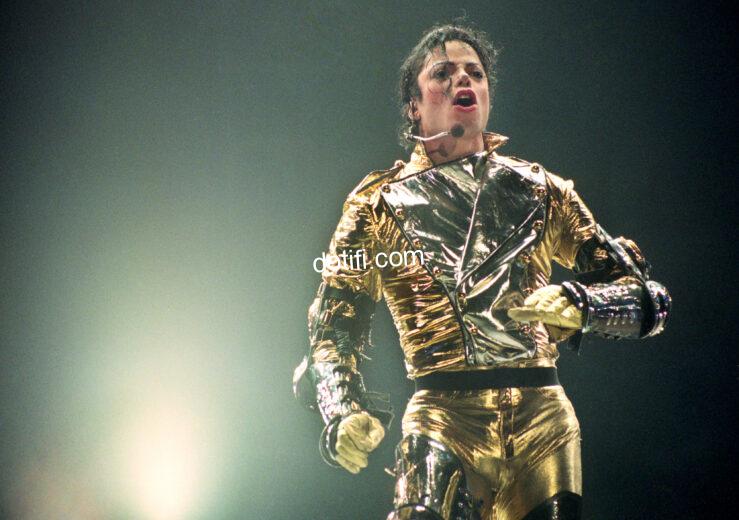
Janet and Michael were the two youngest children of the Jackson family. Growing up in the shadow of The Jackson 5, Janet was just a child when Michael became the “King of Pop.” Despite the fame, they shared a close emotional connection rooted in their unique upbringing under their father, Joe Jackson, who was known for his strict, sometimes abusive, parenting.
Michael once referred to Janet as his “baby” and closest sibling. They shared private jokes, dances, and a rare understanding of the pressures of being global superstars raised in the same intense environment.
🎵 “Scream” – Their Historic Collaboration
In 1995, Janet and Michael recorded “Scream,” a ferocious duet in response to media pressure and public scrutiny—especially surrounding the first wave of allegations against Michael.
-
The music video for “Scream” cost over $7 million, making it one of the most expensive videos ever made.
-
The video showed them in a futuristic spaceship, rebelling against media and fame together.
-
It was one of the rare public moments where their siblinghood was not just personal, but part of pop culture history.
Despite their close bond, Janet admitted that during the filming of “Scream,” they were kept apart by their teams—she shot her scenes separately from Michael. This saddened her and marked the beginning of their growing emotional distance due to fame, handlers, and their increasingly separate lives.
💔 The Distance and The Pain
In later years, Janet and Michael drifted apart, not because of animosity, but because of the isolating nature of their individual fame. Janet has said in interviews that Michael became increasingly private, especially during his legal troubles.
Yet when Michael died in 2009, Janet was devastated. She was one of the first family members to speak publicly, delivering a moving tribute at the BET Awards just days after his death.
“To you, Michael is an icon. To us, Michael is family. And he will forever live in all of our hearts.” — Janet Jackson, 2009
👣 Living in His Shadow—and Her Own Light
Janet has often had to navigate the expectations and comparisons that come with being Michael Jackson’s sister. But instead of being overwhelmed by it, she established herself as a pioneering artist in her own right—with a grittier, more socially conscious style.
Still, the public often conflated their identities, especially when scandals or controversies arose. Janet’s 2004 Super Bowl incident was unfairly used by media outlets to tie her to Michael’s narrative, something she has acknowledged as a painful moment in her career.
🕊️ A Lasting Legacy
Janet continues to honor Michael’s memory:
-
She still performs “Scream” in her live shows as a tribute.
-
In interviews, she describes him as “innocent,” “gentle,” and “misunderstood.”
-
She keeps his legacy alive not just in music, but by defending his humanity.
Final Thought:
Janet and Michael Jackson were more than famous siblings. They were each other’s refuge, rivals, mirrors, and muses. While Michael soared into the stratosphere of fame, Janet grounded herself in introspection and innovation. Their relationship—both beautiful and complicated—is one of the most iconic family stories in music history.

TIMELINE: Janet & Michael Jackson — Key Moments
1966 – Janet is Born
-
Janet Damita Jo Jackson is born on May 16, 1966, the youngest of the 10 Jackson siblings. Michael, born in 1958, is 8 years older.
1974 – Janet’s First TV Appearance
-
At just 8 years old, Janet appears on The Jacksons variety show. Michael, already a star with The Jackson 5, mentors her.
1982 – Michael’s “Thriller” Takes Over the World
-
Michael becomes the biggest pop star on Earth. Janet is launching her acting career in Diff’rent Strokes and Fame, still in his shadow.
1986 – Janet’s Breakout with “Control”
-
Janet breaks free from the Jackson family management and drops Control, her defining album of independence and success.
1995 – “Scream” Collaboration
-
Michael and Janet record “Scream”, a fierce response to media scrutiny.
-
The music video becomes the most expensive ever made (over $7 million).
-
It wins a Grammy and 11 MTV VMA nominations.
-
It is their only major song collaboration.
2001 – United on Stage for Michael’s 30th Anniversary Show
-
Janet performs a tribute at Michael’s 30th Anniversary Celebration at Madison Square Garden.
2009 – Michael’s Death
-
Michael passes away on June 25, 2009.
-
Janet gives a heartbreaking tribute at the BET Awards days later.
-
She becomes the family’s main spokesperson briefly during mourning.
2018 – Janet Pays Tribute on Tour
-
Janet begins performing “Scream” during her concerts as a tribute to Michael.
-
She speaks out against the media vilification of her brother.
👨👩👧 JACKSON FAMILY TREE (Simplified)
-
Michael had 3 children: Prince, Paris, and Blanket (aka Bigi).
-
Janet has 1 son: Eissa Al Mana (born 2017), with her ex-husband Wissam Al Mana.
🔁 Common Themes in Their Relationship:
| Theme | Details |
|---|---|
| Mentorship | Michael mentored Janet in early years. |
| Mutual Support | Defended each other in interviews and performances. |
| Creative Bond | “Scream” was their peak artistic unity. |
| Media Distortion | Both faced intense scrutiny, sometimes unfairly linked. |
| Legacy Protection | Janet defends Michael’s name to this day. |