Mon. May 25th, 2026
Spread the love

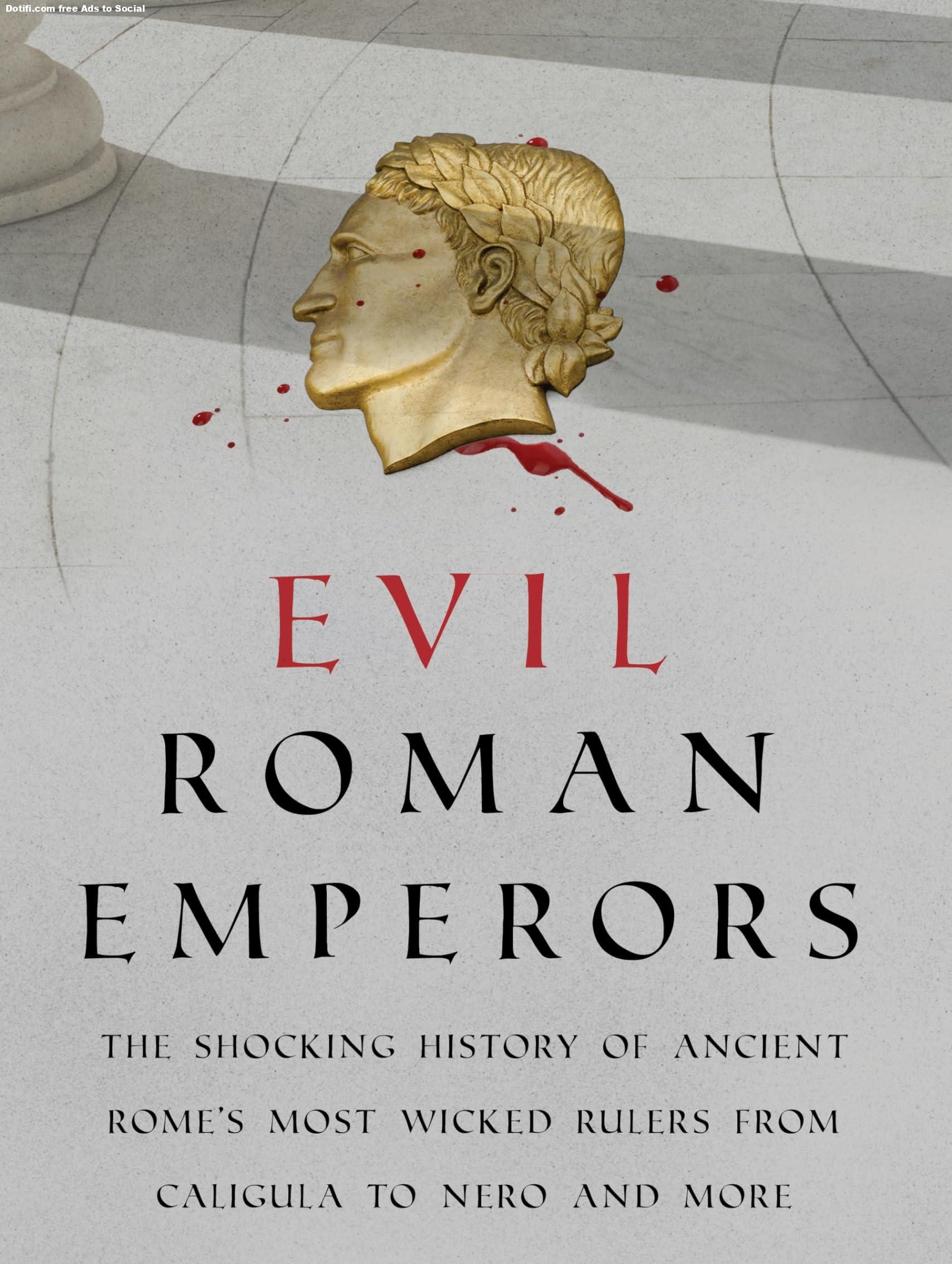
Caligula vs. Nero: A Comparison of Atrocities

Caligula (37–41 CE)

Gaius Julius Caesar Augustus Germanicus, better known as Caligula, was infamous for his erratic and cruel behavior during his short reign of four years. Initially popular due to his lineage (as the great-grandson of Augustus), he descended into madness, earning a reputation as one of Rome’s most tyrannical emperors.

  • Atrocities:

    • Excessive cruelty: Caligula reportedly enjoyed torturing and executing people, sometimes for minor offenses or his amusement.

    • Megalomaniacal behavior: Declared himself a living god and demanded worship, even constructing temples in his honor.

    • Sadistic spectacles: Ordered the execution of prisoners for public entertainment, often in grotesque ways.

    • Abuse of power: Confiscated property from wealthy citizens, forcing them to commit suicide to claim their estates.

    • Deranged behavior: Famously made his horse, Incitatus, a consul, though this may have been a sarcastic commentary on the Senate.

Nero (54–68 CE)

Lucius Domitius Ahenobarbus, known as Nero, was the last emperor of the Julio-Claudian dynasty. While his early reign was stable, his later years were marked by extreme cruelty and debauchery.

  • Atrocities:

    • Great Fire of Rome (64 CE): Allegedly started by Nero to clear space for his Golden House (Domus Aurea). While this accusation may be exaggerated, he scapegoated Christians, initiating brutal persecutions.

    • Family murders: Ordered the deaths of his mother, Agrippina the Younger; his wife, Octavia; and others in his inner circle.

    • Extravagance and neglect: Nero drained the imperial treasury on lavish projects and performances, neglecting military and administrative duties.

    • Sadistic entertainments: Infamously delighted in watching Christians burned alive or torn apart by animals.

Top 10 Most Vicious Roman Emperors

  1. Caligula (37–41 CE): Cruelty and madness epitomized.

  2. Nero (54–68 CE): Familial murders, persecution of Christians, and neglect of state affairs.

  3. Commodus (180–192 CE): Megalomaniacal, fought in gladiatorial games, and nearly bankrupted Rome.

  4. Domitian (81–96 CE): Ruthless ruler who purged Senate members and executed dissenters.

  5. Caracalla (198–217 CE): Massacred thousands, including his brother Geta’s supporters, and initiated violent campaigns.
  6. Elagabalus (218–222 CE): Known for extreme debauchery, bizarre religious practices, and political instability.

  7. Tiberius (14–37 CE): Ruled through fear and initiated purges of perceived enemies.

  8. Maximinus Thrax (235–238 CE): A brutal soldier-emperor who relied on military force to control Rome.

  9. Septimius Severus (193–211 CE): Conducted harsh campaigns and purged political rivals.

  10. Diocletian (284–305 CE): While an efficient ruler, his persecution of Christians was among the most severe in Roman history.

First and Last Emperors of Rome

  • First Emperor: Augustus (27 BCE–14 CE), originally Gaius Octavius, the adopted heir of Julius Caesar. He established the principate, initiating the Roman Empire after defeating Mark Antony and Cleopatra.

  • Last Emperor: Romulus Augustulus (475–476 CE), a puppet ruler overthrown by the barbarian king Odoacer, marking the fall of the Western Roman Empire.

By admin

Leave a Reply

Your email address will not be published. Required fields are marked *

You missed

From Tramadol to Canadian to Exol-5 The New Drug Destroying Nigerian Youths An Investigative Article .From Tramadol to Canadian to Exol-5: The New Drug Destroying Nigerian Youths An Investigative Report on the Shifting Landscape of Substance Abuse in Nigeria Nigeria faces a severe and evolving drug crisis, particularly among its youth. What began with the widespread abuse of Tramadol has progressed through mixtures like “Canadian” to newer pharmaceutical diversions such as Exol-5. This shift reflects deeper issues: easy access to prescription drugs, weak regulation, socioeconomic pressures, and aggressive street-level marketing. NDLEA operations and health studies reveal a public health emergency that threatens an entire generation. Phase 1: The Tramadol Epidemic (2010s–Early 2020s) Tramadol, a synthetic opioid prescribed for moderate to severe pain, became Nigeria’s most notorious street drug. Cheap, potent, and widely smuggled (often from India and other Asian countries), it offered users energy, euphoria, and pain relief — appealing to commercial drivers, laborers, students, and young men seeking confidence or stamina. Scale of the Problem: Millions of tablets seized annually by NDLEA. High prevalence among young males aged 15–35. Linked to increased crime, sexual violence, organ damage (kidney failure, seizures), and mental health breakdowns. Contributed to broader opioid misuse alongside codeine cough syrups. Government responses included tighter import controls and public awareness campaigns, but these only displaced demand to other substances rather than eliminating it. Phase 2: The Rise of “Canadian” (Mid-2020s) “Canadian” or “Canadian Loud” emerged as a popular code for high-grade cannabis (often indica-dominant strains) or cannabis mixed with other synthetics. It gained traction as users sought alternatives or combinations to Tramadol’s effects. This phase marked a move toward imported or locally cultivated premium weed, sometimes laced with stronger chemicals. Youths in urban centers like Lagos, Kano, Jos, and Onitsha embraced it for its perceived “cleaner” high compared to opioids. However, it fueled polydrug use — combining cannabis with opioids, sedatives, or alcohol — amplifying health risks. Phase 3: Exol-5 – The Current Threat (2024–2026) Exol-5 (Benzhexol Hydrochloride / Trihexyphenidyl 5mg), originally a prescription medication for Parkinson’s disease and drug-induced movement disorders, has become the latest pharmaceutical being heavily abused. Why Exol-5? Euphoric Effects: Users report intense euphoria, hallucinations, and a sense of detachment — making it attractive as a cheap “upper” or escape. Accessibility: Sold over-the-counter or on the black market despite being a controlled prescription drug. NDLEA has seized millions of pills in single operations (e.g., 3.1 million pills in Kano in late 2024, and over 5.6 million combined with Tramadol in other busts). Street Names: Exol, Artane, Benzhexol, “Farin Mallam” (in Northern Nigeria). Demographics: Prevalent among youths, laborers, and even psychiatric patients who divert prescriptions. Studies show abuse rates as high as 25% among certain outpatient groups. Health Consequences: Anticholinergic toxicity: Confusion, dry mouth, blurred vision, urinary retention, constipation, and in high doses — delirium, psychosis, seizures, and heart issues. Long-term: Cognitive impairment, addiction, exacerbated mental health disorders. Often mixed with Tramadol, codeine, or cannabis, creating dangerous synergies. In cities like Jos, Exol-5 sits alongside diazepam, Rohypnol, and Tramadol on street markets, easily available to teenagers and young adults. Why This Evolution Continues Supply-Side Failures: Porous borders, corrupt officials, and overproduction of pharmaceuticals enable diversion. Demand Drivers: Unemployment, poverty, peer pressure, trauma, and the pursuit of performance enhancement (e.g., for “hustle” culture). Weak Regulation: Many pharmacies sell restricted drugs without prescriptions. Online and street vendors fill gaps. Displacement Effect: Cracking down on one substance (Tramadol/codeine) pushes users and dealers toward the next available option. NDLEA reports ongoing large seizures, but the problem persists due to high profitability and low risk for mid-level distributors. Broader Impacts on Nigerian Youths Education: Increased dropout rates and poor academic performance. Mental Health: Rising cases of psychosis and depression. Economy: Lost productivity among the working-age population. Crime and Violence: Drug-fueled robberies, cultism, and family breakdowns. Public Health System Strain: Overburdened hospitals treating overdoses and chronic complications. Young people aged 15–39 remain the hardest hit, with national surveys showing drug use prevalence significantly above global averages. What Must Be Done Stronger Enforcement: Consistent prosecution of corrupt enablers and large-scale traffickers. Regulation: Crackdown on rogue pharmacies and better tracking of prescription drugs. Prevention & Rehabilitation: School programs, community outreach, and expanded treatment centers (currently woefully inadequate). Economic Alternatives: Address root causes like youth unemployment. Public Awareness: Honest campaigns highlighting real dangers of “Exol-5” and similar drugs. Conclusion From Tramadol’s opioid grip to “Canadian” cannabis culture and now Exol-5’s anticholinergic highs, Nigeria’s drug crisis is mutating faster than responses can contain it. Exol-5 represents the dangerous new frontier — a legitimate medicine turned youth destroyer due to misuse and greed. Without urgent, multi-layered intervention — combining supply disruption, demand reduction, and socioeconomic support — an entire generation risks being lost to addiction. The time for half-measures is over. Nigeria’s future depends on winning this fight.